
When exploring a Japanese food menu, sashimi is one of the dishes that immediately stands out. Simple, elegant, and beautifully presented, sashimi is a traditional Japanese dish made from thinly sliced raw fish or seafood. Unlike sushi, sashimi is served without rice, allowing the natural flavor, texture, and freshness of the seafood to take center stage.
For anyone who enjoys fresh seafood and Japanese cuisine, sashimi offers a unique dining experience that combines simplicity with careful preparation.
What Is Sashimi?
Sashimi is traditionally prepared by cutting high-quality raw fish or seafood into delicate slices. The word is commonly associated with raw seafood served as a standalone dish, although the quality and preparation can vary depending on the restaurant and the type of seafood.
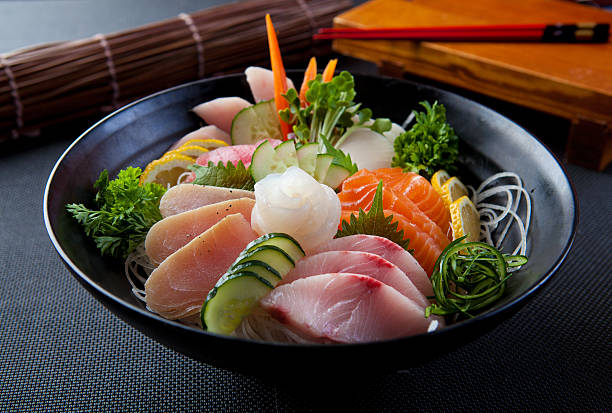
Popular choices include salmon, tuna, yellowtail, mackerel, sea bream, and various seasonal seafood. Each type has its own flavor, texture, and appearance.
The beauty of sashimi comes from its simplicity. Because there are very few ingredients, the freshness and quality of the seafood are especially important.
Sashimi vs. Sushi: What’s the Difference?
One of the most common questions people have when looking at a Japanese food menu is the difference between sushi and sashimi.
Sashimi is primarily sliced raw fish or seafood served without rice.
Sushi, on the other hand, generally includes vinegared rice and may contain raw or cooked seafood, vegetables, egg, or other ingredients.
For example, a slice of fresh tuna served by itself is sashimi. Tuna placed over seasoned sushi rice is typically considered nigiri sushi.
Both are important parts of Japanese cuisine, but they provide different dining experiences.
Popular Types of Sashimi
Japanese restaurants may offer several varieties of sashimi depending on the season, location, and available seafood.
Salmon Sashimi
Salmon sashimi is a popular choice for both newcomers and experienced seafood lovers. It has a soft texture and rich, slightly buttery flavor, making it approachable for many diners.
Tuna Sashimi
Tuna is another classic option. Depending on the cut, tuna sashimi can range from lean and firm to rich and marbled. Different tuna cuts can provide noticeably different textures and flavors.
Yellowtail Sashimi
Yellowtail, often called hamachi on Japanese menus, is known for its smooth texture and mild flavor. It is frequently served as part of a mixed sashimi platter.
Sea Bream Sashimi
Sea bream, or tai, is appreciated for its delicate flavor and firmer texture. It can be an excellent choice for people who prefer a lighter-tasting fish.
Mackerel Sashimi
Mackerel has a stronger, richer flavor than some other sashimi varieties. Depending on the preparation, it may be cured or seasoned before serving.
What Comes With Sashimi?
A sashimi order is often accompanied by a few traditional condiments and garnishes. These can include soy sauce, wasabi, and pickled ginger.
Soy sauce adds a salty, savory flavor, while wasabi provides a sharp and spicy kick. Pickled ginger is often enjoyed between bites as a palate refresher.
Some restaurants may also serve shredded daikon radish, shiso leaves, scallions, or other seasonal garnishes.
How Is Sashimi Served?
Presentation is an important part of Japanese dining. Sashimi may be arranged carefully on a plate or served as part of a larger sashimi platter.
The chef may arrange different types of seafood according to color, texture, and shape. Garnishes are often used to add visual appeal without overpowering the main ingredient.
This attention to presentation reflects an important characteristic of Japanese cuisine: making food enjoyable not only through taste but also through appearance.
Is Sashimi Healthy?
Sashimi can be a protein-rich and relatively simple meal because it does not contain the large amount of rice found in many sushi dishes. Fish can also provide nutrients such as omega-3 fatty acids, depending on the species.
However, raw seafood requires careful handling and proper food safety practices. When ordering sashimi, it is important to choose a reputable restaurant that follows appropriate food-safety standards and uses seafood intended for raw consumption.
People who are pregnant, immunocompromised, or otherwise advised to avoid raw seafood should follow guidance from a qualified healthcare professional.
Tips for Ordering Sashimi
If you’re trying sashimi for the first time, starting with familiar flavors such as salmon or tuna can be a comfortable choice.
A mixed sashimi platter is another good way to explore different varieties in one order. You can sample several types and discover which flavors and textures you enjoy most.
When eating sashimi, try each piece with a modest amount of soy sauce. Strong condiments can easily overpower the delicate flavor of high-quality seafood.
Why Sashimi Is So Popular
Sashimi represents one of the most recognizable ideas in Japanese cuisine: letting high-quality ingredients speak for themselves.
There is no heavy sauce or complicated cooking technique to hide the natural character of the seafood. Instead, careful slicing, freshness, presentation, and subtle accompaniments create the experience.
For food lovers exploring Japanese menus, sashimi is more than simply raw fish. It is a dish that reflects simplicity, precision, and appreciation for fresh ingredients.
Final Thoughts
Whether you’re visiting a Japanese restaurant for the first time or already enjoy Japanese cuisine, sashimi is worth exploring. From buttery salmon and rich tuna to delicate sea bream and flavorful yellowtail, there are many varieties to discover.
The next time you see sashimi on a Japanese food menu, consider trying a small selection. Served fresh and thoughtfully prepared, it can be one of the simplest—and most memorable—ways to experience Japanese cuisine.