
When people think about Japanese food, ramen is often one of the first dishes that comes to mind. Warm, flavorful, satisfying, and endlessly customizable, ramen has become a favorite not only in Japan but around the world.
From rich and creamy broths to light, refreshing soups, there is a type of ramen for almost every taste. Whether you are visiting a Japanese restaurant for the first time or simply looking for a comforting meal, ramen is a dish worth discovering.
What Is Ramen?
Ramen is a Japanese noodle dish made with wheat noodles served in a flavorful broth. It is commonly topped with ingredients such as sliced pork, boiled egg, green onions, seaweed, bamboo shoots, and mushrooms.
Although ramen has roots connected to Chinese-style wheat noodles, it developed its own distinctive identity in Japan. Over time, different regions created their own styles, ingredients, and cooking traditions.
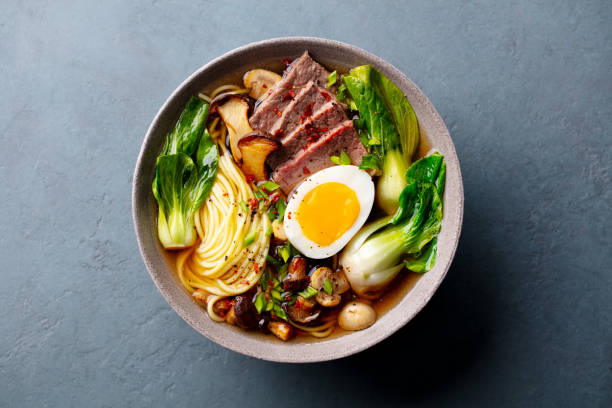
Today, ramen is a major part of Japanese food culture and appears on menus ranging from casual noodle shops to modern restaurants.
Popular Types of Ramen
One of the best things about ramen is its variety. Japanese restaurants may offer several different ramen styles, each with a unique flavor.
1. Shoyu Ramen
Shoyu ramen is made with a soy sauce-based broth. It typically has a savory, slightly salty flavor while remaining relatively light compared with some richer ramen varieties.
It is often served with noodles, green onions, bamboo shoots, seaweed, and slices of pork.
2. Miso Ramen
Miso ramen gets its distinctive flavor from fermented soybean paste called miso. The broth is usually rich, savory, and deeply satisfying.
Miso ramen is particularly associated with Hokkaido and is often served with vegetables, corn, butter, pork, and other flavorful toppings.
3. Tonkotsu Ramen
For people who enjoy a rich and creamy broth, tonkotsu ramen is a popular choice.
This style is traditionally made by simmering pork bones for an extended period, creating a thick, creamy broth with a deep savory flavor. It is strongly associated with Fukuoka and the Kyushu region of Japan.
4. Shio Ramen
Shio ramen uses a salt-based seasoning. Compared with tonkotsu or miso ramen, it is generally lighter and has a clean, delicate flavor.
Its relatively simple profile allows the taste of the broth, noodles, and toppings to work together without becoming overwhelming.
Common Ramen Toppings
Ramen toppings can completely change the character of a bowl. Depending on the restaurant and style, you may find:
- Chashu: Tender slices of braised pork
- Ajitama: Soft-boiled egg with a seasoned, flavorful center
- Nori: Dried sheets of seaweed
- Menma: Seasoned bamboo shoots
- Green onions: Adds freshness and a mild onion flavor
- Corn: A popular addition to some miso ramen
- Bean sprouts: Provides freshness and crunch
- Mushrooms: Adds an earthy flavor
- Garlic: Brings a stronger, more aromatic taste
The combination of noodles, broth, and toppings is what makes each bowl of ramen unique.
Why Is Ramen So Popular?
Ramen combines several elements that make a meal especially satisfying. The noodles provide texture, the broth brings depth and warmth, and the toppings add contrasting flavors.
Another reason for its popularity is variety. Someone who prefers a light meal can choose shio ramen, while someone looking for a richer dish might enjoy tonkotsu or miso ramen.
Ramen can also be customized with different noodles, toppings, spice levels, and broth styles, depending on the restaurant.
Ramen on Japanese Food Menus
When you visit a Japanese restaurant, ramen may appear as one of several noodle options alongside dishes such as udon, soba, and yakisoba.
A ramen menu may allow customers to choose a broth, noodle texture, toppings, or additional ingredients. Some restaurants also offer specialty bowls inspired by a particular Japanese region.
If you’re unfamiliar with ramen, starting with a classic shoyu ramen can be a great way to experience the basic combination of Japanese broth, wheat noodles, and traditional toppings.
How to Enjoy Ramen
Ramen is traditionally enjoyed while the noodles and broth are hot. Many people use chopsticks to pick up the noodles and a spoon to enjoy the broth.
Slurping noodles is also common in Japan and is generally considered a natural way to eat noodles. More importantly, ramen is meant to be enjoyed while it is fresh and hot.
If your bowl comes with toppings, try tasting the broth and noodles separately at first. Then combine the different ingredients to experience how their flavors work together.
Ramen: More Than Just Noodles
Ramen may look like a simple bowl of noodles, but its appeal comes from the balance of flavors, textures, and cooking techniques.
Every bowl can tell a different story. A delicate shio ramen can offer a completely different experience from a rich tonkotsu broth or a hearty miso ramen.
That variety is one of the reasons ramen has become such an important part of Japanese cuisine and an internationally recognized comfort food.
Final Thoughts
Ramen is one of the most recognizable dishes in Japanese cuisine, and its popularity continues to grow around the world. With countless combinations of broth, noodles, and toppings, there is always something new to try.
Whether you prefer a rich tonkotsu broth, savory shoyu, hearty miso, or delicate shio, ramen offers a delicious introduction to the diversity of Japanese food.
The next time you see ramen on a Japanese food menu, consider trying a bowl and discovering why this humble noodle dish has become a global favorite.