
When you see Wagyu on a Japanese food menu, you can expect something special. Known for its exceptional marbling, rich flavor, and incredibly tender texture, Wagyu has become one of the most famous types of beef in the world.
From traditional Japanese restaurants to modern steak houses, Wagyu is often featured as a premium menu item. But what makes this beef so different from ordinary steak? And what should you know before ordering it?
Let’s take a closer look at Wagyu and why it has earned such a prestigious place in Japanese cuisine.
What Is Wagyu?
The word Wagyu literally means “Japanese cow.” It refers to several breeds of Japanese cattle that are known for producing highly marbled beef.
Unlike beef that is valued mainly for its lean texture, Wagyu is famous for the amount and quality of fat distributed throughout the muscle. This fine marbling gives the meat its distinctive appearance and contributes to its buttery texture and rich taste.
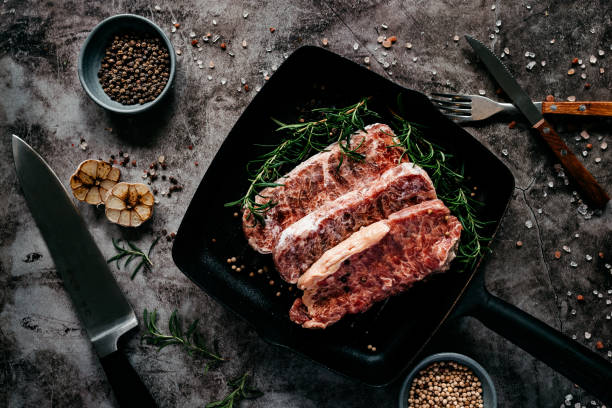
Authentic Japanese Wagyu is carefully raised and produced under strict standards, which is one reason it is commonly found on premium restaurant menus.
Why Is Wagyu So Special?
The biggest difference between Wagyu and many other types of beef is marbling.
Marbling refers to the small streaks of fat found within the muscle. In high-quality Wagyu, this fat is distributed throughout the meat rather than concentrated around the edges.
When properly cooked, the fat melts and creates a tender, juicy bite with a rich flavor. The result is a steak that can feel remarkably soft and almost melt-in-your-mouth.
Popular Types of Wagyu in Japan
Japan has several famous regional varieties of Wagyu. You may see some of these names on Japanese restaurant menus:
Kobe Beef
Kobe beef is perhaps the most internationally recognized Japanese beef. It comes from the Tajima strain of Japanese Black cattle raised in Hyogo Prefecture.
Kobe beef is known for its fine marbling, tenderness, and rich flavor.
Miyazaki Beef
Miyazaki beef comes from Miyazaki Prefecture on the island of Kyushu. It has earned a strong reputation for its beautiful marbling and delicate texture.
It is often served in upscale Japanese restaurants and specialty Wagyu establishments.
Matsusaka Beef
Matsusaka beef comes from Mie Prefecture and is another highly regarded variety of Japanese Wagyu.
It is particularly appreciated for its intricate marbling and rich, buttery flavor.
How Wagyu Appears on Japanese Food Menus
Wagyu isn’t limited to traditional steak. Japanese chefs use this premium beef in a variety of dishes.
You may find Wagyu steak grilled over high heat and served simply with salt or a dipping sauce. Thinly sliced Wagyu can also appear in shabu-shabu, where the beef is briefly cooked in hot broth.
Other popular menu options include Wagyu yakiniku, Wagyu sushi, Wagyu donburi, and even Wagyu burgers.
The cooking style often depends on the restaurant and the quality of the beef.
How Should You Order Wagyu?
Because Wagyu has a high fat content, you generally don’t need a large portion to enjoy it. A smaller serving can be surprisingly satisfying.
If you’re ordering a Wagyu steak, a simple preparation can allow the natural flavor of the beef to stand out. Salt, pepper, wasabi, or a light dipping sauce are commonly used rather than heavy seasonings.
For grilled Wagyu, avoid overcooking it. The goal is to preserve its tenderness while allowing some of the marbled fat to render.
Wagyu vs. Regular Beef
The difference between Wagyu and conventional beef isn’t simply about price. Wagyu is prized for its distinctive marbling, texture, and flavor.
Regular beef can be delicious and may be better suited for dishes where stronger sauces or seasonings are used. Wagyu, on the other hand, is often served more simply because its natural richness is considered the main attraction.
Of course, quality varies within both categories, so the specific cut, grading, preparation, and source all matter.
Is Wagyu Worth Trying?
For anyone interested in Japanese cuisine, Wagyu is certainly worth experiencing at least once.
It offers a different eating experience from a typical steak, particularly because of its rich marbling and soft texture. You don’t necessarily need to order the most expensive cut, either. Trying a smaller portion or a Wagyu dish such as yakiniku or shabu-shabu can be a great introduction.
If you’re visiting a Japanese restaurant and notice Wagyu on the menu, consider asking the server where the beef comes from, what grade it is, and how the chef recommends preparing it.
Final Thoughts
Wagyu represents one of the most celebrated traditions in Japanese beef culture. Its exceptional marbling, tenderness, and rich flavor have made it a popular choice on premium Japanese food menus around the world.
Whether served as a beautifully grilled steak, thinly sliced for shabu-shabu, or prepared as yakiniku, Wagyu offers a unique way to experience the quality and craftsmanship associated with Japanese cuisine.
If you’re exploring Japanese food for the first time, Wagyu is one menu item that can turn an ordinary meal into a memorable dining experience.