
Financial Technology Software: How Modern FinTech Solutions Are Transforming the Financial Industry
The financial industry has experienced a major transformation as digital technology becomes increasingly important in everyday transactions and business operations. Traditional banking, manual accounting, and paper-based financial processes are gradually being replaced by faster and more intelligent digital systems. One of the biggest drivers of this transformation is Financial Technology Software, commonly known as FinTech software.
Financial technology software helps individuals, businesses, banks, and financial institutions manage money, process payments, analyze financial information, and deliver digital financial services. From mobile banking applications to AI-powered investment platforms, FinTech solutions are changing how money moves around the world.
But what exactly is financial technology software, and why has it become so important for modern businesses?
What Is Financial Technology Software?
Financial technology software refers to digital applications and platforms designed to improve financial activities through technology.
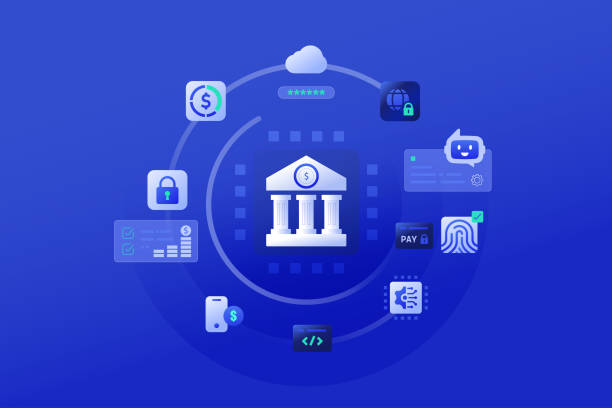
These solutions combine software development, cloud computing, artificial intelligence, automation, and data analytics to make financial services more accessible and efficient.
Businesses use FinTech software for activities such as:
- Online payment processing
- Digital banking and money transfers
- Financial reporting and accounting
- Investment and portfolio management
- Fraud detection and risk monitoring
- Loan management and financial analysis
For example, an online retailer can use payment processing software to accept customer payments, while a financial institution might use AI-powered analytics to identify unusual transaction patterns.
In simple terms, FinTech software makes financial services faster, smarter, and more accessible through digital technology.
How Financial Technology Software Works
FinTech platforms connect financial information, digital applications, payment networks, and security systems to complete financial activities.
The process generally involves four stages:
- Information Collection: The platform receives financial information from users, businesses, banks, or connected systems.
- Data Processing: Software processes transactions, calculates financial information, and verifies relevant details.
- Security Verification: Authentication and fraud prevention technologies help protect financial activities.
- Transaction Completion: The platform completes the requested activity and updates the relevant financial records.
Depending on the service, additional processes may include regulatory checks, transaction monitoring, and automated reporting.
Major Benefits of Financial Technology Software
1. Faster Financial Transactions
Digital payment platforms allow businesses and customers to complete transactions electronically without relying on traditional paper-based processes.
2. Improved Financial Management
Accounting and financial management software helps organizations monitor expenses, manage invoices, prepare reports, and understand their financial position.
3. Better Security and Fraud Detection
Modern FinTech platforms use encryption, identity verification, multi-factor authentication, and transaction monitoring to protect financial information.
4. Greater Business Efficiency
Automation reduces repetitive administrative activities, helping finance departments process information and manage daily operations more efficiently.
5. Convenient Financial Access
Mobile banking and digital financial applications allow users to access many services remotely, making financial management more convenient.
Popular Types of Financial Technology Software
Different FinTech solutions support different financial activities.
| Software category | Main purpose | Business benefit |
|---|---|---|
| Payment Processing Software | Handle digital payments | Faster transactions |
| Digital Banking Software | Manage online banking services | Convenient banking |
| Accounting Software | Manage financial records | Better reporting |
| Investment Management Software | Track investments and portfolios | Improved analysis |
| Loan Management Software | Manage lending operations | Streamlined administration |
| Fraud Detection Software | Identify suspicious transactions | Better risk monitoring |
| Financial Analytics Software | Analyze financial information | Smarter decisions |
How Artificial Intelligence Is Changing Financial Technology
Artificial intelligence is creating new opportunities across the FinTech industry.
Financial institutions and businesses are using AI-powered technologies to analyze transactions, detect unusual patterns, automate customer support, and improve financial forecasting.
Some important applications include:
AI Fraud Detection: Machine learning models can examine transaction patterns and identify potentially suspicious activities.
Automated Financial Reporting: AI tools can help organize financial information and generate reports.
Intelligent Customer Support: AI-powered chatbots can answer routine banking and payment questions.
Predictive Financial Analytics: AI systems can analyze historical information to support forecasting and risk assessment.
However, AI-generated financial recommendations should be evaluated carefully. Human oversight remains important, especially when decisions involve investments, lending, or regulatory responsibilities.
Challenges of Using Financial Technology Software
Despite its advantages, FinTech software introduces challenges that businesses must understand.
| Challenge | Possible solution |
|---|---|
| Cybersecurity threats | Encryption and multi-factor authentication |
| Data privacy concerns | Strong data protection policies |
| Regulatory requirements | Compliance monitoring and audits |
| Integration difficulties | Compatible APIs and technical planning |
| System interruptions | Backup and disaster recovery solutions |
| Fraudulent transactions | Continuous transaction monitoring |
Financial organizations should also evaluate their software providers carefully and understand how customer information is stored, processed, and protected.
How to Choose the Right Financial Technology Software
Selecting suitable FinTech software requires careful research.
Before purchasing a platform, consider these factors:
- Security: Look for strong authentication, encryption, and fraud prevention features.
- Pricing: Compare subscription fees, transaction charges, and additional costs.
- Scalability: Choose software that can support future business growth.
- Integration: Check compatibility with existing banking, accounting, and business systems.
- Compliance: Evaluate whether the platform supports applicable financial regulations.
- Customer Support: Make sure technical assistance is available when needed.
Businesses should test important features and review service agreements before committing to a long-term solution.
The Future of Financial Technology Software
The future of FinTech will likely involve deeper integration of artificial intelligence, blockchain technology, cloud computing, and digital payment infrastructure.
AI-powered financial analytics may help organizations identify risks and understand customer behavior more effectively. Meanwhile, digital banking and automated payment systems will continue to influence how consumers and businesses access financial services.
As financial technology develops, cybersecurity, responsible AI use, transparency, and regulatory compliance will remain essential priorities.
Conclusion
Financial Technology Software has become an important part of the modern financial ecosystem. It helps banks, businesses, and individuals manage transactions, organize financial information, improve security, and access digital financial services.
From payment processing and accounting platforms to AI-powered analytics and investment management systems, FinTech solutions are making financial operations more efficient and accessible.
However, successful adoption requires choosing reliable providers, protecting sensitive information, and following relevant financial regulations.
Ultimately, the real value of financial technology software lies in its ability to connect finance with innovation, helping businesses and individuals manage money more efficiently in an increasingly digital world.