
Business Intelligence Platforms: How Modern Companies Turn Data Into Smarter Business Decisions
In today’s competitive business environment, information has become one of the most valuable resources an organization can possess. Companies generate enormous amounts of data through customer interactions, sales transactions, marketing campaigns, financial activities, and daily operations. However, collecting information is only the first step. The real challenge is understanding what that information means and how it can improve business performance.
This is where Business Intelligence Platforms play an important role. These technology solutions help organizations collect, organize, analyze, and visualize business data so managers can make more informed decisions.
From small businesses to multinational corporations, BI platforms are changing how companies understand their performance, identify opportunities, and plan for future growth.
What Are Business Intelligence Platforms?
Business Intelligence (BI) platforms are software solutions designed to transform raw business data into meaningful reports, dashboards, visualizations, and analytical insights.
They connect information from different sources, such as databases, spreadsheets, CRM systems, accounting applications, and cloud platforms.
Instead of manually reviewing thousands of records, business professionals can use BI tools to understand important performance indicators in a centralized environment.
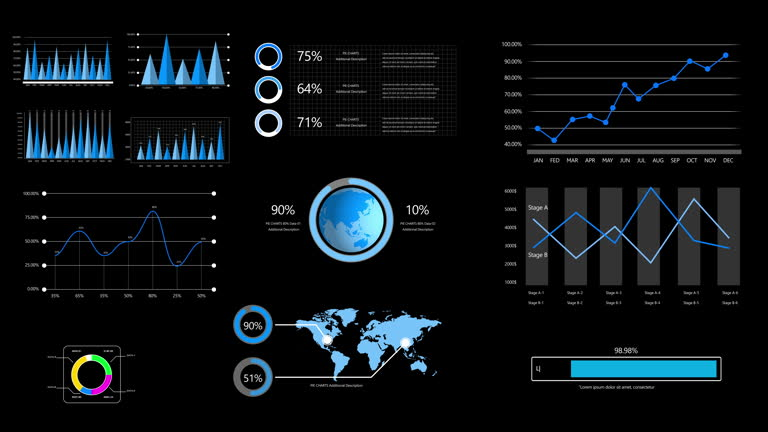
For example, an online retailer can use a BI platform to identify its best-selling products, compare monthly revenue, monitor customer behavior, and evaluate marketing performance.
In simple terms, business intelligence platforms help organizations turn complex data into clearer business decisions.
How Business Intelligence Platforms Work
BI platforms typically follow a structured process to transform information into useful insights.
- Data Collection: Information is gathered from business applications, databases, spreadsheets, and other sources.
- Data Integration: Different datasets are connected and organized for analysis.
- Data Processing: The platform cleans, structures, and prepares information for reporting.
- Data Visualization: Results are presented through charts, dashboards, and interactive reports.
- Decision-Making: Managers use the insights to evaluate performance and plan business strategies.
This process helps organizations develop a clearer understanding of their operations.
Major Benefits of Business Intelligence Platforms
1. Better Decision-Making
BI software gives business leaders access to organized information instead of relying entirely on assumptions or incomplete reports.
Managers can examine performance trends and make decisions based on measurable evidence.
2. Improved Operational Efficiency
Automated reporting reduces the time employees spend collecting information and preparing spreadsheets. This allows teams to focus on analysis and business improvement.
3. Understanding Customer Behavior
Companies can examine purchasing patterns, customer preferences, and engagement trends to improve their products and services.
4. Real-Time Business Monitoring
Many modern BI platforms support frequently refreshed dashboards, allowing managers to monitor important business indicators and respond to changing conditions.
5. Better Financial Planning
Organizations can use business intelligence tools to analyze revenue, expenses, profitability, and operational costs.
Popular Types of Business Intelligence Platforms
Different BI solutions offer different capabilities depending on organizational requirements.
| BI platform category | Main purpose | Business advantage |
|---|---|---|
| Data Visualization Tools | Present information through charts | Easier understanding |
| Reporting Platforms | Generate business reports | Better performance tracking |
| Predictive Analytics Tools | Forecast possible trends | Improved planning |
| Self-Service BI | Allow users to explore data | Faster analysis |
| Cloud BI Platforms | Analyze cloud-based information | Flexible accessibility |
| Embedded Analytics | Add analytics to business applications | Convenient reporting |
Popular Business Intelligence Software
Several established technology providers offer BI and analytics solutions for businesses.
- Microsoft Power BI: Provides interactive dashboards, reporting, and data analysis capabilities.
- Tableau: Helps organizations explore and visualize complex datasets.
- Qlik Sense: Offers data analytics and interactive business intelligence features.
- Looker: Provides business intelligence and data exploration capabilities through Google’s cloud ecosystem.
- SAP Analytics Cloud: Combines business intelligence, planning, and predictive analytics capabilities.
The right platform depends on a company’s data environment, technical expertise, budget, and reporting requirements.
How Artificial Intelligence Is Transforming Business Intelligence
Artificial intelligence is making BI platforms more advanced and accessible.
Traditional business intelligence tools primarily focus on historical reporting and data visualization. Modern AI-powered platforms can also help users identify patterns, generate summaries, and explore information using natural language.
Some important applications include:
Automated Insights: AI can highlight unusual changes and important patterns in business data.
Predictive Analytics: Machine learning can help forecast sales, customer demand, and operational trends.
Natural Language Queries: Users can ask questions about business information using everyday language.
Intelligent Reporting: AI can help summarize reports and explain important performance changes.
However, AI-generated insights should be checked against reliable data and business context before important decisions are made.
Challenges of Implementing Business Intelligence Platforms
Although BI solutions offer significant benefits, businesses may encounter several implementation challenges.
| Challenge | Recommended solution |
|---|---|
| Poor data quality | Establish data cleaning processes |
| Integration difficulties | Use compatible data connectors |
| High implementation costs | Start with essential analytics |
| Limited employee knowledge | Provide practical training |
| Data security risks | Apply access controls |
| Confusing reports | Build clear dashboards |
Successful BI implementation requires reliable information, appropriate technology, and employees who understand how to interpret analytical results.
How to Choose the Right Business Intelligence Platform
Before investing in a BI solution, businesses should evaluate several important factors:
- Ease of Use: Can employees understand and operate the platform?
- Integration: Does it connect with existing business applications?
- Scalability: Can it handle increasing data volumes?
- Security: Does it provide appropriate data protection?
- Pricing: Are subscription and implementation expenses affordable?
- Reporting Features: Does it offer the dashboards and analytics your business needs?
Testing a platform through a demonstration or trial can help organizations make a more confident purchasing decision.
The Future of Business Intelligence Platforms
Business intelligence is evolving through artificial intelligence, cloud computing, machine learning, and automated data processing.
Future platforms are expected to provide more conversational analytics, automated insights, predictive recommendations, and deeper integration with enterprise applications.
These developments will help more employees access useful information without depending entirely on specialized data analysts.
Conclusion
Business Intelligence Platforms have become valuable tools for organizations that want to understand their operations and make smarter decisions. They transform scattered business information into organized dashboards, reports, and actionable insights.
Whether a company wants to improve sales performance, understand customers, monitor financial results, or optimize operations, BI software can provide valuable support.
However, successful adoption depends on choosing suitable technology, maintaining accurate data, and developing strong analytical practices.
Ultimately, business intelligence is not simply about collecting more data. It is about discovering the right information and using it to move a business forward.