
When you think about traditional Japanese cuisine, Miso Soup is one of the dishes that immediately comes to mind. Simple, warm, savory, and comforting, miso soup has been a beloved part of Japanese meals for generations. It is often served alongside rice, vegetables, grilled fish, sushi, and other Japanese dishes.
Whether you are visiting a Japanese restaurant for the first time or preparing a traditional meal at home, miso soup is an easy and delicious way to experience the flavors of Japan.
What Is Miso Soup?
Miso soup is a traditional Japanese soup made primarily with miso paste and dashi, a flavorful Japanese soup stock. Depending on the recipe and region, it can include ingredients such as tofu, wakame seaweed, green onions, mushrooms, daikon, or other vegetables.
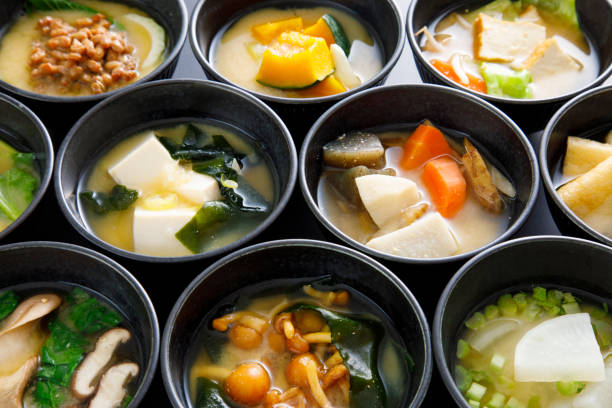
The defining ingredient is miso, a fermented paste traditionally made from soybeans, salt, and koji. Different types of miso can create different flavors, ranging from mild and slightly sweet to rich, salty, and deeply savory.
The result is a soup with a distinctive umami flavor that pairs beautifully with many Japanese foods.
Why Is Miso Soup So Popular in Japan?
Miso soup is popular partly because it fits naturally into the traditional Japanese meal. It can be served for breakfast, lunch, or dinner and is often enjoyed as part of a larger meal rather than as a standalone dish.
A typical Japanese-style meal may include steamed rice, a main dish such as grilled fish, several small side dishes, pickles, and a bowl of miso soup.
Its warm broth and savory flavor also make it a comforting choice, particularly during colder weather.
Common Ingredients in Miso Soup
One of the great things about miso soup is its versatility. While traditional recipes can be quite simple, different restaurants and households use different combinations of ingredients.
Miso Paste
Miso paste provides the soup’s signature flavor. White miso (shiro miso) tends to be milder and sweeter, while red miso (aka miso) generally has a stronger and more robust flavor.
Dashi
Dashi is the traditional Japanese stock used as the base of many soups and dishes. It provides a subtle but important umami foundation.
Traditional dashi may be prepared using ingredients such as kombu seaweed and bonito flakes, while vegetarian versions can use kombu and other plant-based ingredients.
Tofu
Soft or silken tofu is a popular addition. Its delicate texture works particularly well with the rich, savory broth.
Wakame Seaweed
Wakame adds a mild ocean flavor and a pleasant texture. It is commonly found in restaurant-style miso soup.
Green Onions
Thinly sliced green onions are often added just before serving. Their fresh flavor provides a nice contrast to the warm, savory soup.
Miso Soup on Japanese Restaurant Menus
If you look at a Japanese restaurant menu, you will often find miso soup listed under soups, appetizers, or side dishes. It is frequently served with sushi and other Japanese entrées.
Some restaurants offer traditional miso soup with tofu and seaweed, while others create their own versions with mushrooms, vegetables, clams, or other ingredients.
Miso soup can also be included as part of a lunch set or dinner combination, making it an affordable and flavorful addition to a Japanese meal.
What Does Miso Soup Taste Like?
Miso soup has a distinctive savory taste that is often described as umami. It is usually salty, rich, and slightly earthy, with the exact flavor depending on the type of miso and dashi used.
Despite its rich flavor, properly prepared miso soup is generally light and delicate rather than heavy.
The combination of warm broth, soft tofu, tender seaweed, and fresh green onions creates a simple but satisfying experience.
How Is Miso Soup Traditionally Served?
Miso soup is traditionally served hot in a small bowl. In Japanese dining, the bowl may be lifted toward the mouth while drinking the broth, while solid ingredients can be eaten with chopsticks.
It is commonly enjoyed alongside rice and other dishes rather than eaten as a Western-style soup course.
The simplicity of its presentation reflects an important aspect of Japanese cuisine: allowing fresh, high-quality ingredients to speak for themselves.
Easy Miso Soup at Home
Making miso soup at home can be surprisingly simple.
Start by preparing dashi and warming it gently. Add ingredients such as tofu and wakame and allow them to heat through. Next, dissolve the miso paste in a small amount of warm broth before adding it back to the pot.
One important tip is not to boil the soup after adding the miso. Gentle heating helps preserve the delicate flavor and aroma of the miso.
Finish with sliced green onions and serve immediately.
Is Miso Soup Vegetarian?
Not all miso soup is vegetarian. Traditional dashi often contains bonito flakes, which are made from fish.
However, vegetarian and vegan versions are easy to prepare using kombu-based or mushroom-based broth instead. If you are ordering miso soup at a restaurant and follow a vegetarian or vegan diet, it is a good idea to ask about the ingredients in the dashi.
A Simple Taste of Japanese Cuisine
Miso soup may look simple, but it represents many of the qualities that make Japanese cuisine so appealing: balance, simplicity, seasonality, and umami.
Whether served beside sushi at a restaurant or prepared in your own kitchen, a warm bowl of miso soup can turn an ordinary meal into something comforting and memorable.
If you’re exploring a Japanese food menu, miso soup is a classic choice that offers an authentic introduction to one of Japan’s most recognizable flavors.