
Sushi is one of the most recognizable and beloved foods in Japanese cuisine. Known for its beautiful presentation, fresh ingredients, and delicate flavors, sushi has become popular around the world. From simple rolls to carefully prepared pieces of fresh fish, there is a type of sushi for almost every taste.
Whether you’re trying sushi for the first time or already enjoy Japanese food, understanding a sushi menu can make your dining experience even more enjoyable.
What Is Sushi?
Sushi is a traditional Japanese dish centered around seasoned rice, usually prepared with vinegar, sugar, and salt. Depending on the style, the rice may be paired with raw or cooked seafood, vegetables, egg, or other ingredients.
One common misconception is that sushi always means raw fish. In reality, sushi can contain cooked seafood, vegetables, or no seafood at all. Raw fish served without sushi rice is generally called sashimi.
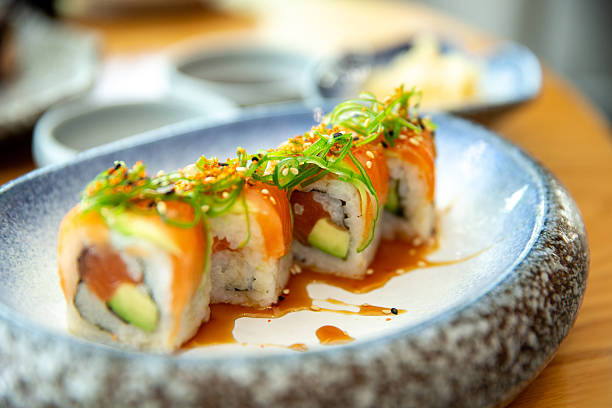
Popular Types of Sushi
Japanese restaurants often offer several varieties of sushi. Here are some of the most common options you’ll find on a menu.
Nigiri
Nigiri consists of a small portion of hand-pressed sushi rice topped with an ingredient such as salmon, tuna, shrimp, or eel. It is simple, elegant, and allows the flavor of the main ingredient to stand out.
Maki Rolls
Maki is rolled sushi made with rice and other ingredients wrapped in nori, a type of dried seaweed. Maki rolls can include seafood, vegetables, sauces, and other fillings.
Popular examples include salmon rolls, tuna rolls, cucumber rolls, and avocado rolls.
Uramaki
Uramaki is often described as an “inside-out” roll because the rice is on the outside while the nori and fillings are inside. The popular California roll is a familiar example of this style.
Temaki
Temaki is hand-rolled sushi shaped like a cone. It is usually filled with sushi rice, seafood, vegetables, and other ingredients. Because it is easy to pick up and eat, temaki is a fun and casual choice.
Sashimi
Although sashimi isn’t technically sushi, it is frequently found on Japanese menus alongside sushi. It consists of carefully sliced raw seafood served without sushi rice.
Common choices include tuna, salmon, yellowtail, and other fresh fish.
Common Sushi Ingredients
A sushi menu can feature a wide variety of ingredients. Some popular choices include:
- Salmon – Mild, rich, and buttery
- Tuna – Clean, meaty, and flavorful
- Shrimp – Often cooked and slightly sweet
- Eel – Rich and savory, usually served with a sweet sauce
- Crab – Delicate and slightly sweet
- Avocado – Creamy and popular in modern sushi rolls
- Cucumber – Crisp and refreshing
- Nori – Dried seaweed used to wrap many sushi rolls
- Pickled ginger – Traditionally eaten between different pieces of sushi
- Wasabi – A spicy Japanese condiment often served with sushi
How Sushi Is Traditionally Served
Sushi is often served with a few simple accompaniments. Soy sauce adds a salty, savory flavor, while wasabi provides a sharp kick. Pickled ginger, known as gari, is commonly used to refresh the palate between different types of sushi.
When enjoying nigiri, many diners lightly dip the fish side into soy sauce rather than soaking the rice. This helps preserve the texture of the sushi and keeps the rice from falling apart.
Why Is Sushi So Popular?
Part of sushi’s appeal is its balance of flavor, texture, and presentation. A well-prepared sushi plate can combine creamy avocado, crisp vegetables, tender seafood, seasoned rice, and savory sauces in a single meal.
Sushi can also be surprisingly versatile. Someone who doesn’t enjoy raw fish can choose cooked shrimp, grilled eel, tempura vegetables, tofu, avocado, or cucumber rolls.
Exploring a Japanese Sushi Menu
If you’re new to sushi, a large menu can initially seem overwhelming. A simple way to start is with familiar flavors such as salmon nigiri, tuna rolls, cucumber rolls, or California rolls.
For a more traditional experience, you can explore different types of nigiri and seasonal seafood. Many Japanese restaurants also offer combination platters, which are useful when you want to sample several varieties in one meal.
Final Thoughts
Sushi is much more than raw fish and rice. It represents an important part of Japanese culinary culture, combining carefully prepared ingredients with simplicity, balance, and beautiful presentation.
Whether you prefer classic nigiri, colorful maki rolls, fresh sashimi, or vegetable-based options, exploring a Japanese sushi menu can be an enjoyable culinary adventure. The best way to discover your favorites is to try different styles and ingredients and enjoy the variety that sushi has to offer.