
When you think of Japanese food, sushi and ramen may be the first dishes that come to mind. But there is another Japanese favorite that deserves just as much attention: Tempura.
Known for its delicate, crispy coating and fresh ingredients, tempura is one of the most recognizable dishes found on Japanese food menus around the world. From shrimp and fish to vegetables such as sweet potato, eggplant, and mushrooms, tempura offers a simple yet satisfying combination of texture and flavor.
What Is Tempura?
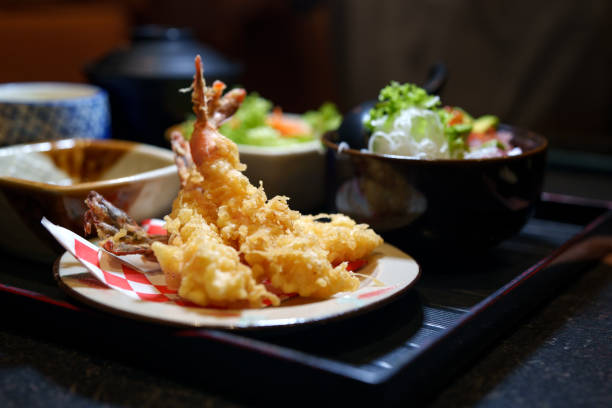
Tempura is a Japanese dish made by lightly coating seafood, vegetables, or other ingredients in a thin batter and quickly frying them in hot oil.
Unlike heavily breaded fried foods, traditional tempura is known for its light and airy coating. The goal is to allow the natural flavor of the main ingredient to remain noticeable while adding a delicate crunch.
Tempura is commonly served with a dipping sauce called tentsuyu, often accompanied by grated daikon and ginger.
A Brief Look at Tempura
Although tempura is strongly associated with Japanese cuisine today, its history has interesting influences from outside Japan. The frying technique is believed to have been introduced to Japan centuries ago, where Japanese cooks adapted it using local ingredients and cooking techniques.
Over time, tempura became an important part of Japanese culinary culture. Today, it can be enjoyed everywhere from casual restaurants and food stalls to specialized tempura restaurants.
Popular Types of Tempura
One of the best things about tempura is its variety. Japanese food menus often feature several different options.
Shrimp Tempura
Shrimp, or ebi, is perhaps the most famous tempura ingredient. The shrimp is coated in a thin batter and fried until the outside becomes crisp while the inside remains tender and juicy.
Vegetable Tempura
Vegetable tempura is a great choice for anyone who enjoys fresh, flavorful ingredients. Common options include:
- Sweet potato
- Eggplant
- Pumpkin
- Mushrooms
- Green beans
- Lotus root
- Bell peppers
- Shiso leaves
Each vegetable brings its own texture and flavor to the dish.
Fish Tempura
White fish and other seafood can also be prepared as tempura. The light batter works particularly well with delicate fish because it adds crispiness without overwhelming the seafood.
Mixed Tempura
Many Japanese restaurants offer a mixed tempura selection featuring shrimp, fish, and several vegetables. It is an excellent way to experience different flavors and textures in one meal.
What Does Tempura Taste Like?
The appeal of tempura comes from the contrast between its crispy exterior and tender interior.
A well-prepared piece of tempura should feel light, crisp, and delicate, rather than greasy or heavy. The natural taste of the seafood or vegetable remains at the center of the dish.
The dipping sauce adds another layer of flavor, typically bringing together savory, slightly sweet, and umami notes.
How Is Tempura Served?
Tempura can be served in several different ways depending on the restaurant and menu.
A popular presentation is a plate of assorted tempura served with dipping sauce. It may also be served over steamed rice as tendon, a Japanese rice bowl topped with tempura.
Tempura can also appear alongside soba or udon noodles, creating a comforting and filling Japanese meal.
Tips for Enjoying Tempura
For the best experience, tempura is generally enjoyed soon after it is cooked. Freshly fried tempura has the ideal combination of crispness and tenderness.
When dipping tempura into sauce, a light dip is usually enough. This allows you to enjoy both the seasoning and the natural flavor of the ingredient.
If you’re trying different varieties, start with milder vegetables before moving toward seafood and stronger flavors.
Why Tempura Remains Popular
Tempura has remained popular because it combines simplicity with careful preparation. There are only a few basic elements—fresh ingredients, batter, hot oil, and dipping sauce—but achieving the right texture requires skill.
Its versatility also makes it easy to enjoy. Seafood lovers can choose shrimp or fish, while vegetable lovers have plenty of delicious options.
Whether you’re visiting a Japanese restaurant for the first time or already enjoy Japanese cuisine, tempura is a classic dish worth trying.
Final Thoughts
Tempura is much more than simply fried food. It is a Japanese culinary tradition that highlights the natural flavors of seafood and vegetables through a light, crisp coating.
From classic shrimp tempura to colorful vegetable combinations and hearty tempura rice bowls, there is something for almost everyone. The next time you explore a Japanese food menu, consider ordering tempura and discovering why this crispy classic has become loved around the world.