
If you’ve ever explored a Japanese food menu, you may have come across the word Unagi. Known for its rich flavor, tender texture, and sweet-savory glaze, unagi is one of Japan’s most distinctive traditional dishes.
Unagi refers to freshwater eel, which is commonly grilled and served with a flavorful sauce. It is especially popular during the warmer months in Japan and can be enjoyed in restaurants, traditional eateries, and specialty eel shops.
Whether you’re trying Japanese food for the first time or simply want to learn more about this classic dish, here’s everything you need to know about unagi.
What Is Unagi?
Unagi is Japanese freshwater eel, typically prepared by filleting the eel, grilling it, and brushing it with a sweet soy-based sauce known as tare.
The eel is usually cooked until the outside develops a lightly caramelized finish while the inside remains soft and tender. The combination of smoky grilled flavors and the sweet, savory sauce makes unagi particularly appealing.
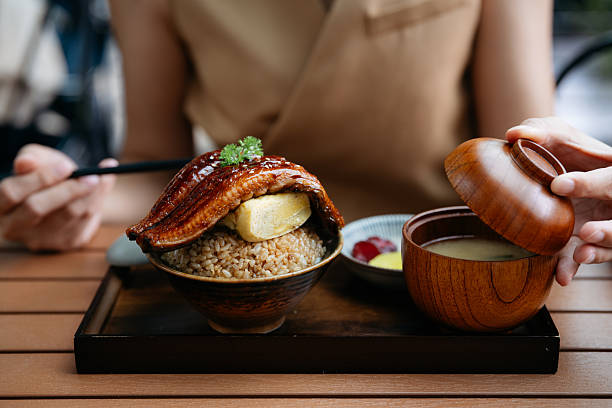
Unagi is different from anago, another Japanese eel dish. Anago generally refers to saltwater conger eel, while unagi specifically refers to freshwater eel.
What Does Unagi Taste Like?
One of the reasons unagi is so popular is its unique taste and texture.
Properly prepared unagi is:
- Tender and soft
- Rich and slightly fatty
- Mildly smoky from grilling
- Sweet and savory from the sauce
- Delicate enough to pair beautifully with steamed rice
The tare sauce adds another layer of flavor. It is typically made with ingredients such as soy sauce, mirin, and sugar, although recipes can vary between restaurants.
If you enjoy grilled fish with a slightly sweet glaze, unagi can be an excellent Japanese dish to try.
Popular Ways to Serve Unagi
Unagi can appear on Japanese menus in several different forms. Here are some of the most popular preparations.
Unadon
Unadon, short for unagi don, is one of the best-known ways to enjoy unagi.
Grilled eel is placed over a bowl of steamed white rice and topped with additional tare sauce. The warm rice absorbs some of the flavorful sauce, creating a simple but satisfying meal.
Unaju
Unaju is similar to unadon, but the grilled eel and rice are traditionally served in a special lacquered box called a jubako.
It is often considered a more formal presentation and can be found at traditional Japanese restaurants specializing in eel.
Unagi Sushi
Unagi is also commonly used in sushi. Grilled eel is placed over sushi rice and may be brushed with a sweet eel sauce.
Unlike many types of raw sushi, unagi is cooked, making it an appealing choice for people who are not comfortable eating raw fish.
Unagi Rolls
Japanese restaurants outside Japan often feature unagi in sushi rolls. It may be combined with ingredients such as cucumber, avocado, or sesame seeds.
These rolls provide a modern way to enjoy the traditional flavor of grilled eel.
How Is Unagi Prepared?
Traditional unagi preparation requires skill and experience.
The eel is first cleaned and filleted. It is then carefully grilled, often using a technique known as kabayaki. During cooking, the eel is repeatedly brushed with tare sauce.
The grilling process helps develop a smoky aroma and caramelized exterior while keeping the meat moist and tender.
In Japan, preparing unagi is considered a specialized culinary craft, and some restaurants focus almost exclusively on eel dishes.
Unagi Kabayaki
One of the most recognizable preparations is unagi kabayaki.
In this style, the eel is filleted, skewered, grilled, steamed or cooked according to the restaurant’s method, and then grilled again while being coated with tare sauce.
The result is a glossy, flavorful piece of eel with a rich aroma and tender texture.
Kabayaki-style unagi is often served over rice, making it both comforting and filling.
Why Is Unagi Popular in Japan?
Unagi has been enjoyed in Japan for centuries and has become closely connected with Japanese food culture.
One particularly famous tradition is eating unagi around Doyo no Ushi no Hi, a summer day associated with eating eel for nourishment during hot weather.
Because of this tradition, restaurants and supermarkets in Japan may feature special unagi menus during the summer season.
What Goes Well With Unagi?
Unagi is flavorful on its own, but it can also be paired with several traditional Japanese foods.
Common accompaniments include:
- Steamed white rice
- Japanese pickles
- Miso soup
- Sansho pepper
- Green tea
- Light vegetable side dishes
Sansho pepper is particularly interesting. This aromatic Japanese spice has a citrusy, slightly tingling character that can help balance the richness of grilled eel.
Is Unagi Sushi Raw?
No. Traditional unagi used for sushi is cooked.
The eel is generally grilled before being placed on sushi rice or used in a sushi roll. This makes unagi sushi different from popular raw fish varieties such as tuna or salmon sushi.
If you’re new to sushi and prefer cooked seafood, unagi can be a flavorful option to consider.
How to Order Unagi at a Japanese Restaurant
If you see unagi on a Japanese menu, you may encounter several different options.
Look for terms such as:
- Unagi Don – grilled eel served over rice
- Unaju – eel and rice served in a traditional box
- Unagi Sushi – grilled eel served with sushi rice
- Unagi Maki – sushi roll containing eel
- Unagi Kabayaki – grilled eel prepared with a sweet-savory glaze
If you’re trying unagi for the first time, unagi don is a straightforward introduction because it lets you experience the grilled eel together with rice and sauce.
Final Thoughts
Unagi is much more than just grilled eel. It represents an important part of Japanese culinary tradition, combining careful preparation with the simple pleasure of grilled food, flavorful sauce, and steamed rice.
Its tender texture, smoky aroma, and sweet-savory glaze have made it a favorite on Japanese menus both in Japan and around the world.
Whether you order a bowl of unadon, try unagi sushi, or enjoy traditional kabayaki, unagi offers a delicious way to explore the depth and variety of Japanese cuisine.